
-
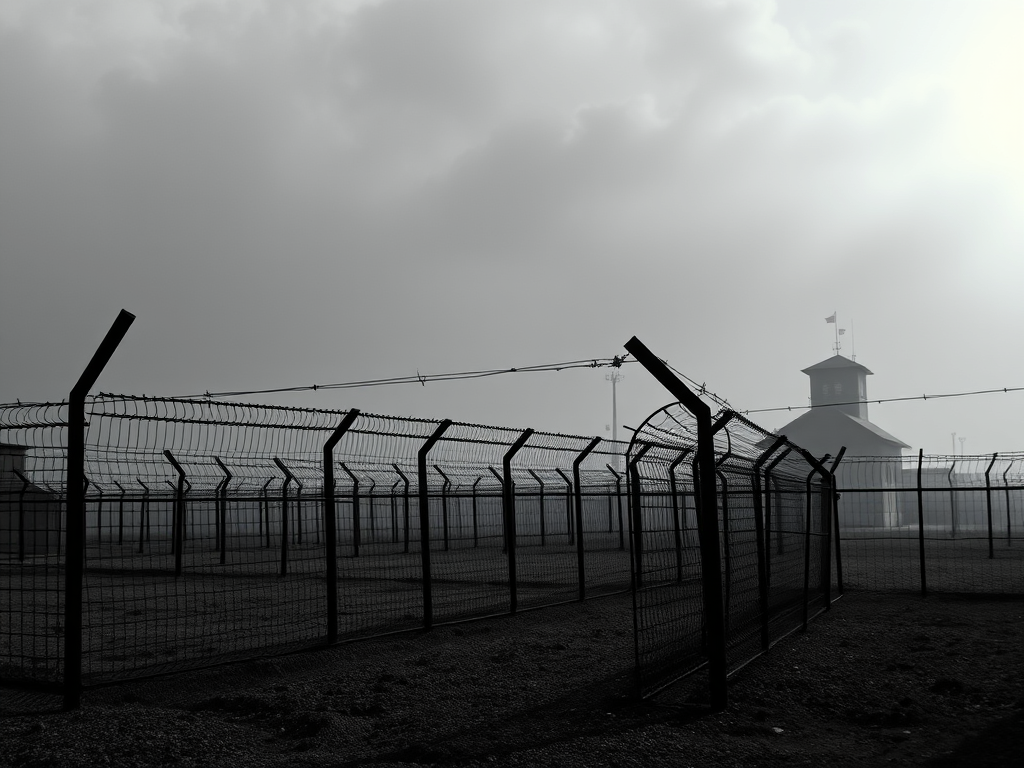
Riflettere sul Diritto e la Morale nel Mondo Moderno
Read more: Riflettere sul Diritto e la Morale nel Mondo ModernoIn principio e nel principio l’uomo inspira ed espira di tutto, secondo i cicli che si muovono tra sfere fatte di materia infinitesimale e grandi…
-

Storia di Julian Assange: dalla fondazione di WikiLeaks all’arresto
Read more: Storia di Julian Assange: dalla fondazione di WikiLeaks all’arrestoLa storia di Julian Assange è di per se conosciuta, qui non raccontiamo nulla di nuovo, da un punto di vista storico rientra tra quegli…
-

La sindrome del Macellaio e tutti i sud del mondo
Read more: La sindrome del Macellaio e tutti i sud del mondoLa raccolta di pensieri che mi accingo a fare, non vuol essere una dotta espressione di notizie e avvenimenti di natura puramente storica , l…
-


Le vie della materia e le carrettiere dello spirito (personale)
Read more: Le vie della materia e le carrettiere dello spirito (personale)Buongiorno Malkut è l aurora del mondo, incapace di arrivar prima solo del primo pianto del neonato, laddove i siderali viaggi di quel che esisteva…
Writing Pillars

Future Earth examines how humanity’s relationship with the natural world is evolving in an era of climate disruption and ecological renewal.
It connects indigenous and diasporic knowledge systems with contemporary environmental science, highlighting ways of living that honor the land, protect biodiversity, and rethink resource use.
This pillar asks how planetary care — rooted in both ancestral wisdom and modern innovation — can guide us toward more resilient futures.
A minority is a wealth, where the rhythms of the earth blend, it is the beating heart of scents.
Loving difference is the best way to ward off ultranationalism.

Minoranza è ricchezza, dove si fondono i ritmi della terra, è il cuore pulsante degli odori.
amare la differenza è il modo migliore per allontanare l ultranazionalismo.

Меньшинство — это богатство, там, где сливаются ритмы земли, это бьющееся сердце ароматов.
Любовь к различиям — лучший способ противостоять ультранационализму.

Uma minoria é uma riqueza, onde os ritmos da terra se misturam, é o coração pulsante dos aromas.
Amar a diferença é a melhor maneira de afastar o ultranacionalismo.

Una minoría es una riqueza, donde se funden los ritmos de la tierra, es el corazón palpitante de los aromas.
Amar la diferencia es la mejor manera de protegerse del ultranacionalismo.

Une minorité est une richesse, là où se mêlent les rythmes de la terre, elle est le cœur vibrant des parfums.

Aimer la différence est le meilleur rempart contre l'ultranationalisme.

الأقلية ثروة، حيث تمتزج إيقاعات الأرض، وهي نبض العطور.

إنّ محبة الاختلاف هي أفضل سبيل لدرء النزعة القومية المتطرفة.

מיעוט הוא עושר, היכן שמקצבי האדמה מתמזגים, הוא הלב הפועם של הריחות.
אהבת השוני היא הדרך הטובה ביותר להדוף את הלאומנות האולטרה-לאומית.
Cultural Memory explores the threads that link generations.
It centers oral tradition, symbolism, ritual, and the lived histories of African and diasporic communities, treating them as technologies of remembrance.
This pillar reveals how memory shapes identity, how heritage influences creativity, and how recovering lost or hidden histories strengthens our collective imagination.
It affirms that the past is not static — it is active material for building tomorrow.
For speculation, vision-making, and Afrofuturist thought.
Future Imagined is where possibility takes form.
It invites writers and thinkers to explore alternative worlds, reinterpret the present through speculative lenses, and consider futures shaped by justice, creativity, and cultural continuity.
Grounded in Afrofuturist philosophy, this pillar embraces non-linear time, visionary design, and re-enchantment — opening pathways to futures that expand, rather than constrain, human potential.
For power, ethics, and the structures we build.
Human Systems looks at the frameworks — political, technological, social, and economic — that influence daily life and collective futures.
It examines how new technologies challenge old assumptions, how governance adapts to rapid change, and how communities resist or reshape structures that no longer serve them.
This pillar encourages a critical yet imaginative view of progress: not as inevitable, but as a system humans actively design.
For cities, movement, and the geographies of belonging.
Urban Cosmos views cities as dynamic ecosystems shaped by culture, migration, infrastructure, and aspiration.
It explores how urban spaces carry memory, how diasporic communities create belonging across distance, and how Afrofuturist ideas can inspire new forms of architecture, mobility, and communal life.
This pillar treats the city as both a physical place and an imaginative realm — where new futures are continuously rehearsed.
For short reflections, emerging ideas, and cultural pulses.
Signals captures the quick movements of the world — brief insights, news fragments, experiments, innovations, and cultural shifts.
It functions as Sankofa’s “early-warning system,” gathering the small sparks that often precede larger transformations.
This pillar is agile, observational, and continuously updating, offering a living snapshot of the ideas shaping life on Earth and beyond.
 Good morning malkut